
There are countless myths about locs, and many have been passed down for years without much evidence. From the idea that locs are dirty to the belief that they don’t grow, misinformation often discourages people from starting or properly caring for their locs.
This FAQ separates fact from fiction so you can make informed decisions about your loc journey.
Frequently Asked Questions About Loc Myths
Myth: Locs are dirty.
Truth: Like any hair style or type, if you don’t wash regularly and take care of your hair it will be dirty. Locs are no different. Wash regularly and your locs will be fine.
Locs should be washed regularly, just like loose natural hair. Dirt doesn’t become trapped simply because your hair is locked. In fact, a consistent washing routine is essential for maintaining a healthy scalp and healthy locs. Lockology Peppermint Tea Tree Shampoo
Myth: You shouldn’t wash starter locs.
Truth: This is widely shared and it is garbage. Starter locs still need to be washed and can be washed. It may loosen some of the locs but you can always re-lock the ones that have come loose. For healthy hair you need a healthy scalp.
While you may wash more gently during the first few months, a clean scalp supports healthy hair growth. Avoiding shampoo for months often leads to buildup, itching, and scalp problems.
Myth: Locs stop growing.
Truth: Hair continues growing from your scalp unless you have a health or scalp condition that proves otherwise. Hair grows at approximately the same rate whether it’s loose or locked. What often changes is how much length you retain because shed hairs remain within the locs.
Myth: Retwisting makes locs grow faster.
Truth: Retwisting does not affect your hair’s growth rate. Retwisting simply organizes new growth. Hair growth occurs beneath the scalp and isn’t sped up by twisting the roots.
Myth: The more often you retwist, the healthier your locs.
Truth: Too much retwisting can actually weaken your locs. Frequent retwisting may contribute to thinning roots, breakage, and traction alopecia. Most people only need maintenance every 4 to 6 weeks, though individual needs vary.
Myth: Wax is required to start locs.
Truth: Wax is not necessary. Modern loc care generally favors lightweight products over wax because wax can be difficult to remove and may contribute to long-term buildup. Depending on the method used to start your locs, you may not need any product at all. You can interlock and rope twist without products to start your locs.
Myth: Locs don’t need moisture.
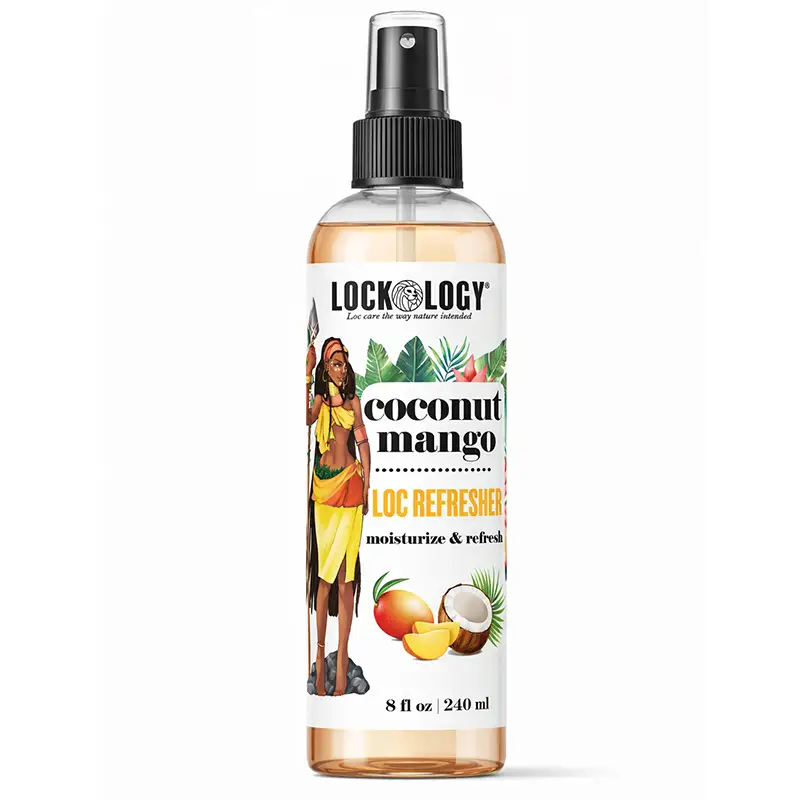
Truth: Every hair type needs moisture. Locs benefit from regular hydration. Water-based moisturizers and lightweight oils can help keep locs soft and reduce dryness. Dry hair leads to breakage, split ends and damage. Lockology Coconut Mango Loc Spray
Myth: Oil moisturizes your hair.
Truth: Water and water based products provides moisture. While oils help reduce moisture loss they don’t replace water. Applying oil to dry hair without first adding moisture can make your hair even more dry by locking out water. Use oils to help seal moisture in, not to moisturize. Lockology Blackseed and Rose Loc Oil
Myth: You should oil your scalp every day.
Truth: Too much oil can attract dust, lint, and product residue. It can also coat your scalp and cause more issues in the long run. Apply lightweight oil only when your scalp actually needs it.
Myth: Locs should never be cut.
Truth: This myth is more tied to people who wear locs for spiritual reasons. However, you can trim or cut locs if you choose. Some people trim damaged ends, shorten their locs, or remove them entirely. It’s a personal decision. What I do not recommend is trimming frizz from your locs. this can weaken your locs and cause breakage and thinning over time.
Myth: Locs are permanent.
Truth: Locs are intended to be long-term but can be removed. You do not have to cut locs. Most locs can be combed out but will take time. Your loc length, texture, volume and density will also determine how long it will take.
Myth: Every set of locs looks the same.
Truth: Every loc journey is unique. Hair texture, density, maintenance methods, lifestyle, and genetics all influence how locs develop.
Myth: Frizz means something is wrong.
Truth: Frizz is a normal part of the locking process. Especially during the first year, frizz is a sign that your hair is matting and forming locs. Do not trim your frizz as this will weaken your locs over time.
Myth: Locs should never be brushed.
Truth: Some people gently brush mature locs to remove surface lint or smooth loose hairs. However, brushing can make hairs loose and frizzy too. If you do brush your hair, brush your roots and closer to your scalp.
Myth: Conditioner is always bad for locs.
Truth: No, conditioners are not “bad” for locs. For starter locs, conditioner can soften the hair and make the locking process take longer. Heavy conditioners can also get stuck in mature locs and take some time to rinse out or leave residue and build up behind. Use conditioners that are light and spray in like our Lockology Rosemary and Castor Oil Conditioner or our Revitalocks Loc Conditioner.
Myth: Tight retwists are better.
Truth: Maintenance should never be painful. Excessive tension can contribute to thinning roots and traction-related hair loss. Locs should never be over-tightened or interlocked to where the hair is pulling from the scalp or painful. You can end up with irreversible hair loss.
Myth: Locs are low maintenance.
Truth: Locs are lower maintenance than some hairstyles, but they still require regular care. Healthy locs need:
- Washing
- Moisturizing
- Scalp care
- Routine maintenance
- Protection while sleeping
Myth: You can’t swim with locs.
Truth: You absolutely can. Just rinse your locs afterward, shampoo when needed, and allow them to dry completely like you would with loose natural or relaxed hair.
Myth: Locs smell naturally.
Truth: Locs do not just have odors from being locs. Persistent odors are usually related to trapped moisture, buildup, mold, environmental odors like smoke or inadequate drying. Clean healthy locs and scalp should not have an odor.
Myth: You shouldn’t exercise with locs.
Truth: Exercise is perfectly fine. Sweat doesn’t damage locs. Keeping your scalp clean after workouts is what’s important. Use a scalp cleanser like our Lockology or wash your locs often to keep your scalp clean.
Myth: White flakes always mean dandruff.
Truth: Not necessarily.
White residue may be:
- Dry scalp
- Product buildup
- Shampoo residue
- Hard water minerals
- Lint
The cause determines the solution.
Myth: Locs can’t be repaired.
Truth: Many damaged locs can be repaired. Depending on the damage, an experienced loctician may be able to reinforce, reattach, or repair weakened locs. Reattaching however does not mean your locs miraculously gets mended. it simply means the broken or weak piece is reattached. If your locs are then combed out, that peice will just be loose hair.
Myth: Crochet maintenance ruins locs.
Truth: When performed correctly, crochet maintenance can safely smooth loose hairs and tighetn locs. Problems usually occur when the technique is too aggressive or performed improperly. This can cause breakage, thinning and weakening of locs.
Myth: Interlocking is bad for locs.
Truth: Interlocking is a safe maintenance method when done correctly. Improper technique or excessive tension can cause problems. Ensure your loctician is gentle and very knowledgeable.
Myth: The itchier your scalp, the healthier your locs are becoming.
Truth: Persistent itching usually signals dryness, buildup, irritation or another scalp issue—not healthy growth.
Myth: New growth means you need an immediate retwist.
Truth: New growth is normal. I recommend not getting a retwist if you have less than a quarter inch of new growth as this can cause damage to your hair from over twisting. Many people wait several weeks between maintenance appointments to reduce unnecessary tension. air grows on average 1/2 an inch per month. Allow your hair to grow out before doing retwists.
Myth: Locs don’t need trims.
Truth: While many people never trim their locs, trimming damaged or split ends is a personal choice and may improve appearance.
Myth: Hair products made for loose curls are always suitable for locs.
Truth: Many products designed for loose natural hair contain heavy conditioning ingredients that can leave residue inside locs. Choose products formulated with loc maintenance in mind like Lockology.
Myth: Cutting your locs makes them grow back faster.
Truth: Cutting hair does not change the rate at which it grows from the scalp.
Myth: You should compare your loc journey to others.
Truth: Every head of locs develops differently. Texture, density, maintenance routine and genetics all influence how quickly locs mature and how they look over time.
The Truth About Healthy Locs
The healthiest loc routine is often the simplest one.
Focus on:
- Keeping your scalp clean
- Washing regularly
- Moisturizing with water-based products
- Using lightweight oils when needed
- Avoiding heavy buildup
- Protecting your locs while sleeping
- Being patient with the locking process
Healthy locs don’t require complicated routines—they require consistent care.
Still Have Questions?
There are many different ways to wear and maintain locs, and no single routine works for everyone. Understanding the facts behind common loc myths can help you build a routine that’s based on healthy hair care rather than misinformation.
At Lockology, we’re committed to educating the loc community with practical, science-informed guidance and products designed specifically for locs. From residue-free shampoos and lightweight oils to hydrating sprays and maintenance essentials, we’re here to help you enjoy healthier locs at every stage of your journey.